
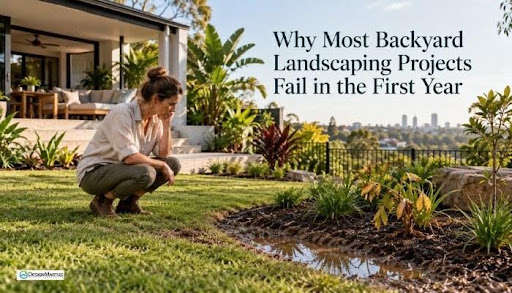
Many backyard landscaping projects fail within the first year because homeowners overlook drainage, soil conditions, and proper planning before starting work. And by the time these problems become obvious, they've often already spent the money.
At Design Martus, we've seen how early planning mistakes affect Brisbane backyards. Many homeowners focus on how they want their garden to look without first checking whether the site can support their plans.
If your outdoor space has already let you down, this article covers the planning gaps, design missteps, and maintenance oversights behind most failed projects. First, let's look at when landscaping problems usually begin and what causes them.
When Things Actually Go Wrong With Backyard Landscaping
Backyard landscaping problems often become noticeable within the first three to six months. Specifically, seasonal changes expose drainage issues, poor soil preparation, or unsuitable plant choices, and that’s the part nobody warns you about.
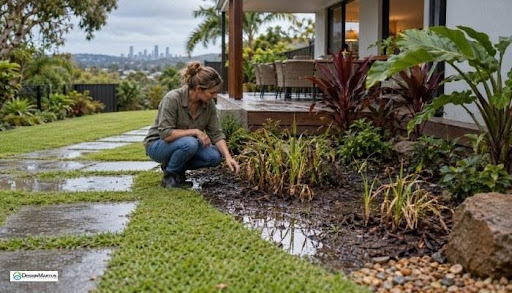
During construction, fresh plants and new features (e.g., drainage) can make the yard look finished, even when underlying problems remain. The issues then surface silently, after the contractors have packed up and the excitement has worn off. For example, poor drainage can leave water pooling near garden beds, while unsuitable soil can prevent new plants from growing properly.
What makes this worse is that most homeowners don’t plan for dying plants or waterlogged corners during the design stage. So by the time the backyard renovation mistakes become obvious, the budget’s already stretched.
Backyard Renovation Mistakes That Start Before You Break Ground
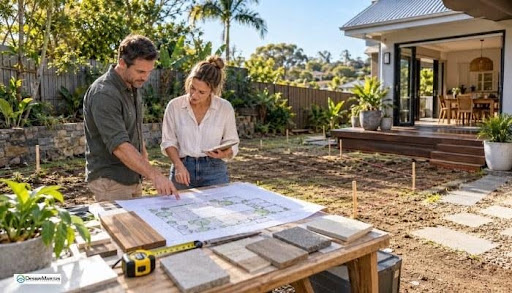
Many backyard renovation mistakes begin when homeowners start work without a clear budget, accurate measurements, or a practical project schedule. These oversights can lead to unexpected expenses, installation delays, and changes to the original design.
We've seen two mistakes happen frequently before the construction process even begins.
No Clear Plan for the Outdoor Space
Homeowners often start buying materials, booking contractors, and sketching ideas without a defined layout for the outdoor areas. As a result, pathways, seating areas, and garden features may end up in awkward positions, which makes the backyard less practical to use (a napkin sketch beats no sketch at all).
For that reason, decide how you want to use each part of your backyard prior to buying materials or starting construction. Start by answering three questions:
- Where does the patio sit?
- Where does foot traffic naturally flow?
- How does the layout connect the house to the yard?
Once you've answered these questions, sketch the layout on graph paper or work with a landscape designer. This helps you identify potential layout problems upfront.
We’ve seen backyards in Paddington where the patio blocked the only natural walkway to the clothesline, or where a raised garden bed left no room for kids to play. Both looked great in the photos but didn’t work once the family tried to use them.
Skipping the Soil and Drainage Check
Most backyards have uneven drainage, and you won’t know until the first heavy rain fills your new garden beds like a bathtub. Brisbane's clay-rich soil further makes drainage problems worse because it holds water for longer, leaving plant roots in overly wet conditions.
Beyond drainage, soil quality directly affects which plants survive. Brisbane’s clay-heavy soils often lack the nutrients ornamental plants need. To identify such deficiencies before planting, consider a basic soil test. It can help you determine which nutrients or soil improvements your garden needs.
How Poor Landscape Design Choices Cause Problems Later
Poor landscape design choices can lead to plant failure, ongoing maintenance problems, and unnecessary expenses.
These issues often arise when homeowners focus on appearance without considering the local climate, soil conditions, or the time they can dedicate to garden care. For example, a plant that looks healthy at the nursery may struggle through Brisbane's February heat if it needs cooler conditions or more shade.
Choosing Plants for Looks, Not for Where You Live
Brisbane sits in a subtropical climate zone, which means it has high humidity, intense sun, and dry spells. These conditions make it difficult for plants that prefer cooler climates to grow well.
For example, some ornamental shrubs and trees sold at garden centres need protection from intense afternoon sun. Without suitable growing conditions, plants suffer heat stress, lose leaves, or require frequent watering during their first Queensland summer. So before you fall in love with any plant at the garden centre, check what kind of environment it actually needs.
Native plants that naturally grow in your local environment use less water, support local ecosystems, and attract birds and wildlife without the extra maintenance. And for most Queensland yards, they’re the more practical starting point for any planting plan.
Underestimating What the Outdoor Space Actually Needs to Survive
New gardens need significantly more attention in the first six months than most homeowners budget time for. It means watering alone isn’t enough.
In practice, mulching garden beds is probably the single most protective thing you can do after planting. A 7 to 10 cm layer of organic mulch (e.g., wood chips, shredded bark, or sugarcane) reduces evaporation, suppresses weeds, and keeps soil temperature stable during Brisbane’s dry months.
We've noticed that homeowners sometimes overlook mulching while focusing on the more visible parts of their renovation. In reality, if you don't mulch at all, garden beds can dry out sooner, weeds may spread, and plants may need more frequent watering during summer.
Now that the planting decisions are in place, the next step is knowing how to keep the process going.
What Holding Your Backyard Renovation Together Really Takes
A realistic maintenance plan, set before the project even starts, is what separates a backyard that lasts from one that doesn’t. Every project we’ve seen fall apart had one thing in common: no one asked “who’s maintaining this and when?” during the planning.
Here’s what the maintenance looks like in practice:
- Seasonal Task Schedule: Pruning in autumn, feeding in spring, and checking irrigation before summer starts are the three non-negotiables for most Brisbane yards. So missing one season automatically throws the next one off.
- Right Materials for the Climate: Composite decking, permeable surfaces, and stable paving hold up through Queensland summers better than materials chosen mainly for looks, like untreated timber or unsealed natural stone. Plus, using unsuitable materials leads to replacements within two to three years, so you spend the renovation budget twice.
- Ongoing Maintenance Built Into the Budget: As your garden needs regular maintenance, plan for regular pruning, watering, mulching, and seasonal plant care. Design Martus offers landscape design, construction, and ongoing maintenance as a single process, so nothing falls through the gap between building the yard and keeping it alive. That end-to-end thinking is exactly what most DIY projects skip.
Pro Tip: Installing drip reticulation and drought-tolerant native plants from the start cuts the ongoing effort needed to keep a yard alive through summer. It also reduces water usage, which counts in a region where dry spells can stretch for weeks across outdoor areas.
Before You Dig: A Final Word
Most backyard landscaping projects fail at the planning stage, weeks before any construction begins. Poor drainage planning, wrong plant selection for the climate zone, and no maintenance schedule are the three things that silently undo even well-built yards.
Fortunately, preventing landscaping mistakes doesn't always require a large budget. You just need a solid plan, the right materials, and a clear idea of what your outdoor space needs to stay functional through every season.
If you’re ready to get your renovation right from the start, Design Martus offers landscape design, construction, and ongoing maintenance across Brisbane. Reach out to us for a consultation prior to planning anything.


